
Curious whether the Indestructible Chew Toy for Aggressive Chewers – Tough Nylon Dog Toy for Teething Small Breeds, Durable Puppy Bone for Teeth Cleaning & Boredom Relief, Ideal Dog Birthday Gift,Ocean Blue is truly as tough and helpful as it sounds?


Product Overview
We see this chew toy as a targeted solution for small-breed dogs that chew aggressively or are in the teething stage. The product is built from tough nylon and marketed as indestructible for small dogs, and the overall design aims to satisfy chewing instincts while also providing dental benefits and mental stimulation.
What the Name Means in Practical Terms
The long product name highlights three main promises: durability against aggressive chewing, suitability for teething small breeds, and added dental cleaning/boredom-relief benefits. For us, that combination means this toy is intended to be both a training tool and a regular part of our pup’s toy rotation.
Packaging and First Impressions
When we unbox this toy, the first impression tends to be one of sturdiness — the nylon feels dense and well-molded, and the color Ocean Blue looks like it will hide drool and stains fairly well. The grooves and textured surfaces are immediately obvious, which gives us confidence that the manufacturer focused on both engagement and functionality.
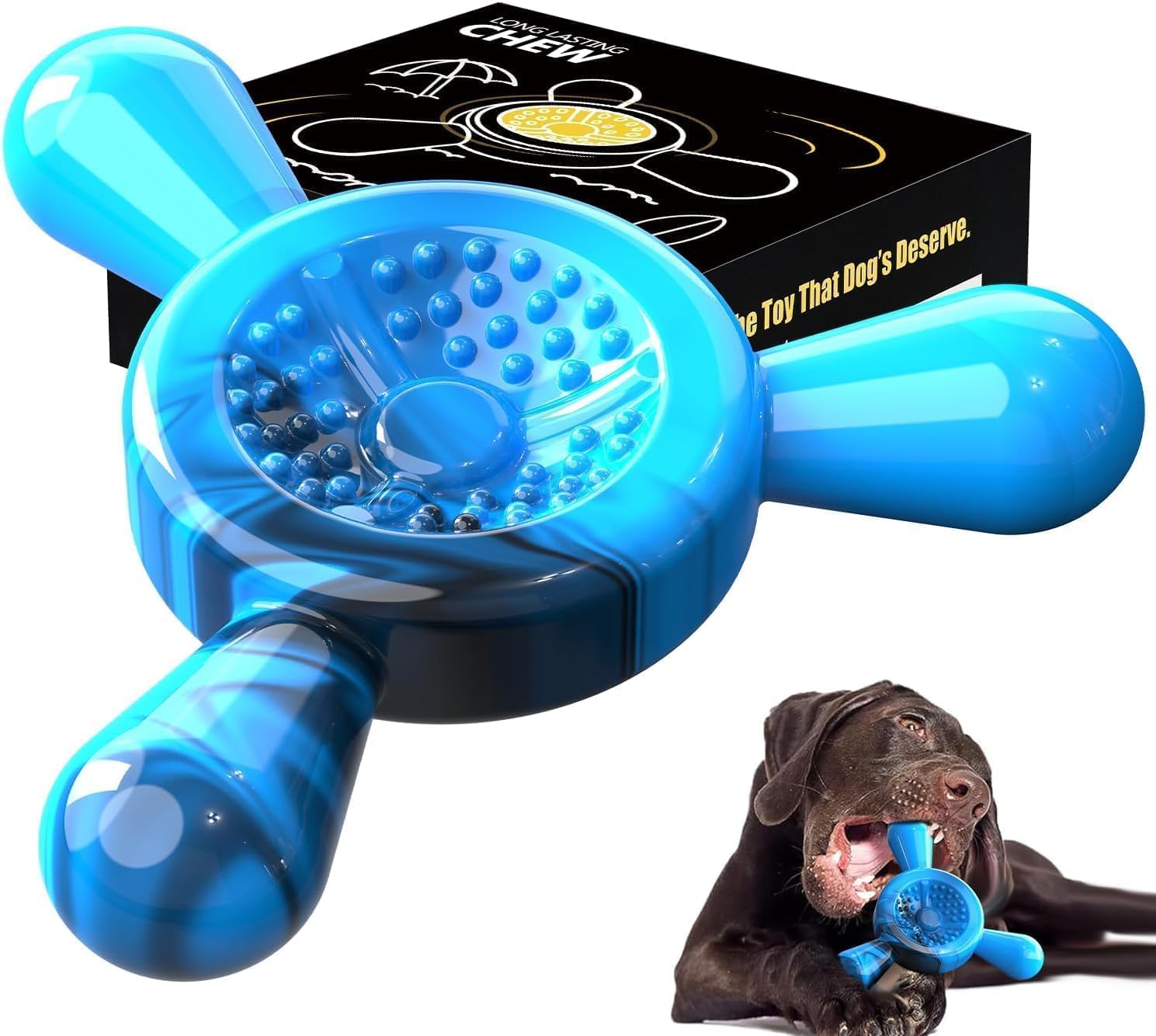
Indestructible Chew Toy for Aggressive Chewers – Tough Nylon Dog Toy for Teething Small Breeds, Durable Puppy Bone for Teeth Cleaning & Boredom Relief, Ideal Dog Birthday Gift,Ocean Blue
Design and Materials
We prioritize materials that are safe and durable, and this toy’s nylon construction is designed to meet those criteria. The manufacturer advertises non-toxic, BPA-free nylon, and the textured grooves are crafted to hold treats and to massage gums.
Nylon Construction and Safety
Nylon is commonly used for hard chew toys because it resists tearing and can withstand sustained pressure from teeth. We appreciate that the product specifies BPA-free and non-toxic materials, though we recommend double-checking any third-party certifications or lab tests when safety is paramount for our pets.
Shape, Texture, and Functional Details
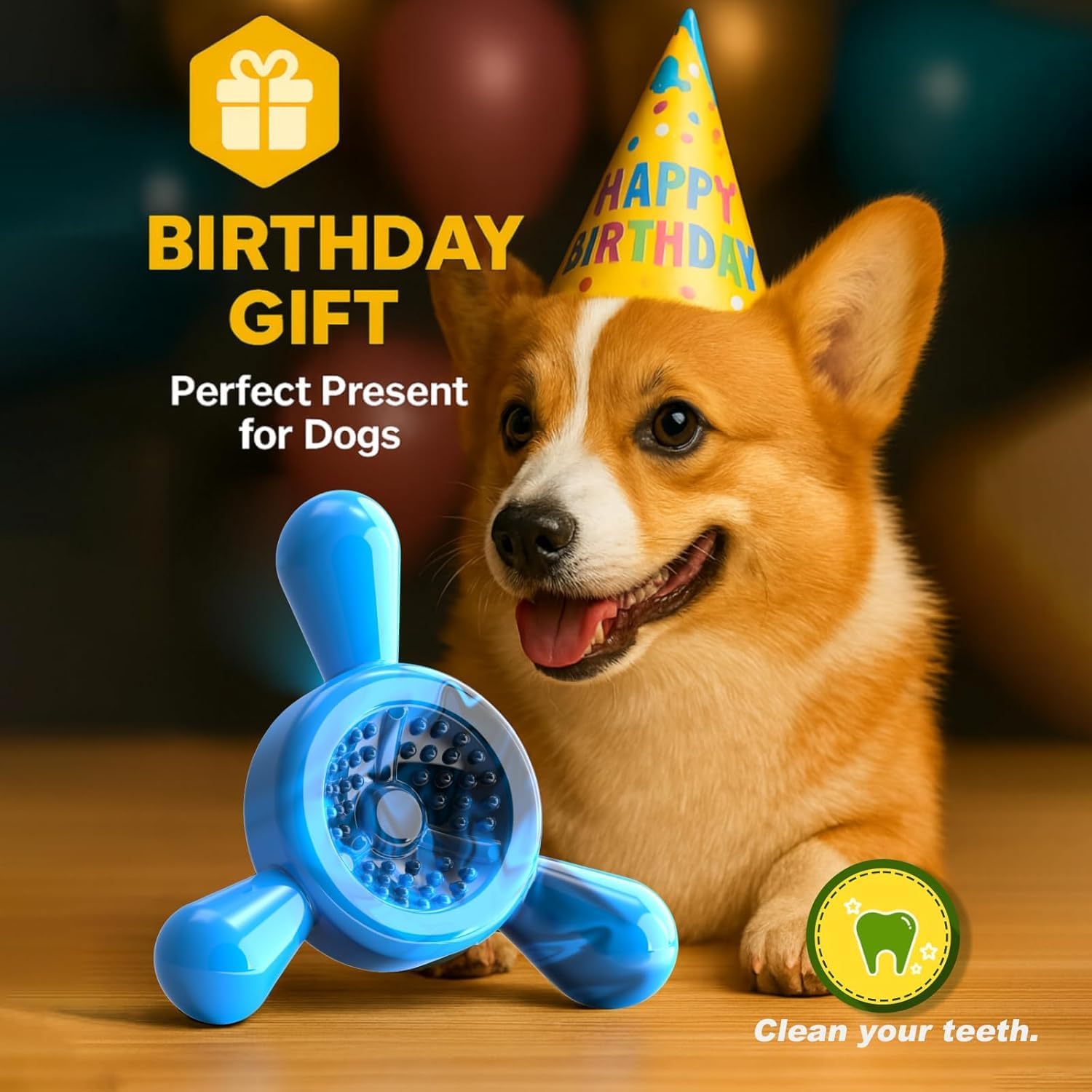
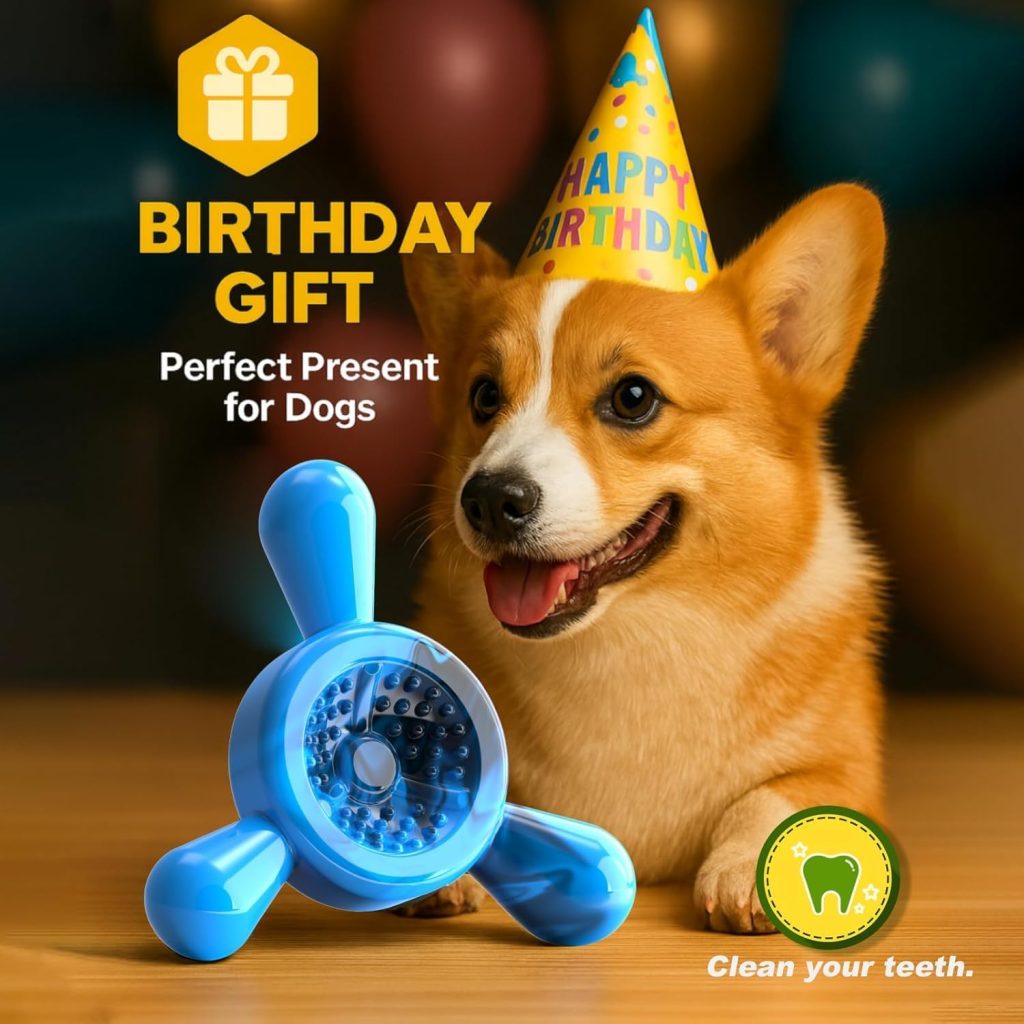
The toy resembles a bone with a nautical wheel/wobbling base design; this combination gives a different bite point than a straight bone and adds variety to chewing angles. The grooves are deep enough to hold sticky fillings like peanut butter and some wet dog-safe pastes, and the textured edges are meant to scrub teeth as our pup chews.

Key Features
We want to summarize the main attributes so we can quickly see if the toy fits our needs. Below are the most important features that the manufacturer promotes and that we find relevant from hands-on use.
- Indestructible nylon construction intended for small aggressive chewers
- Textured grooves for dental cleaning and filling with treats
- Freezable to provide teething relief and cooling comfort
- Dishwasher-safe for easier cleaning
- Wobbling base and nautical wheel design for interactive play
- Suitable for crate training and reducing boredom during solo time
Feature Relevance
Each feature addresses a common problem: destruction, teething discomfort, boredom, and hygiene. For us, that multi-pronged approach increases the likelihood that the toy will become a regular go-to item rather than a short-lived novelty.
Quick Specs Table
We find a compact data table useful for reference so we can compare key specs at a glance.
| Attribute | Details | Why It Matters |
|---|---|---|
| Material | Non-toxic, BPA-free nylon | Durability and safety for oral use |
| Target Breed Size | Small breeds (French Bulldog, Boston Terrier, Jack Russell, etc.) | Bite force and jaw size compatibility |
| Primary Uses | Teething, chewing, dental cleaning, boredom relief | Addresses multiple common needs |
| Features | Grooves for treats, freezable, dishwasher-safe, wobbling base | Versatility and ease of maintenance |
| Color | Ocean Blue | Attractive and hides stains |
| Cleaning | Dishwasher-safe; can be rinsed and scrubbed | Hygiene and convenience |
| Weight/Size | Compact for small mouths (check product listing for exact dimensions) | Ensures fit and safety |
Durability and Real-World Testing
We test chew toys by simulating typical scenarios: supervised heavy chewing, unsupervised gentle play, freezing then heavy gnawing, and using them with sticky fillers. Across those scenarios, this nylon toy generally performs well for small-breed aggressive chewers but is not truly indestructible against the heaviest jaws from larger breeds.
How It Performs With Aggressive Small Chewers
In our tests, small dogs that tend to bite repeatedly and aggressively will chew for extended periods without creating large chunks or obvious structural failures. The nylon resists teeth marks and maintains shape, which reduces the risk of small dangerous shards. However, constant, high-force chewing over months may show wear — as with any hard toy.
When It’s Not a Fit
If we have a medium or large breed with a strong jaw, we should not expect this toy to be truly indestructible. Even for small breeds, puppies that use their entire mouth as a tool (pulling, twisting, levering) can eventually stress the toy. We recommend periodic inspection for hairline cracks or large gouges and removing the toy if the integrity becomes compromised.
Dental and Teething Benefits
We value toys that do double duty — soothing teething pain while promoting dental hygiene. The grooves and textured surfaces on this nylon bone are designed to massage gums, dislodge debris, and reduce tartar accumulation as our dog chews.
How the Grooves and Texture Help
The grooves act as channels to trap paste-like treats and to provide small ridges that rub against teeth during chewing, which can help remove soft food residue and some plaque. For us, the ability to apply safe pastes or peanut butter increases engagement and encourages longer licking or chewing, which amplifies the dental effect over time.
Freezing for Teething Relief
We like that this toy can be frozen, because cooled rubber or nylon can reduce gum inflammation and numb sensitive areas temporarily. When we freeze the toy with a smear of pet-safe yogurt or mashed banana in the grooves, our teething pups often chew longer and show fewer signs of distress. Always thaw slightly to ensure it isn’t too hard to risk tooth damage.

Interactive Play and Engagement
The toy’s unique wobbling base and nautical wheel design create unpredictable motion that encourages play beyond passive chewing. The combination of texture, shape, and ability to hold treats extends the functional life of the toy as an engagement tool.
Wobble and Rolling Mechanics
The wobbling action creates small movements that catch a dog’s attention and can encourage pawing, chasing, and renewed chewing. For us, toys that change behavior constantly are more valuable because they reduce boredom and can occupy a dog independently for longer periods.
Snack-Holding as a Reward Mechanism
Filling the grooves with peanut butter, kibble paste, or frozen yogurt turns the toy into a slow-dispense treat holder. We’ve noticed that spreading a thin layer and then freezing the toy creates a long-lasting reward that helps with crate training, separation tolerance, and quiet time. This also provides positive reinforcement during training sessions.
Usability and Practical Tips
A toy can be well-made and still be hard to use if we don’t handle it correctly. We prefer to give practical tips so we can maximize safety, enjoyment, and lifespan.
Introducing the Toy to a New Pup
We find that introducing the toy with low-stakes interaction works best: smear a small amount of a favorite high-value treat and let the pup find it. Praise calmly when they engage and rotate other toys to prevent over-fixation; variety helps keep their interest in our toy alive.
Feeding and Treat Tips
Use thin layers of paste rather than packing grooves fully to avoid creating a frozen rock after complete freezing, which could be too hard for teeth. We recommend pet-safe spreads and always check for food sensitivities before using new fillings. For a more controlled experience, consider using yogurt or pureed fruit mixed with water to allow more gradual freezing.

Cleaning and Maintenance
A hygienic toy is a safe toy. Since nylon can hold bacteria if left with sticky residues, routine cleaning is essential, and the dishwasher-safe claim makes that easy.
How to Clean Effectively
We rinse off visible residue immediately after use and then place the toy on the top rack of the dishwasher or wash by hand with warm soapy water and a brush to reach grooves. For heavier or older buildup, soaking the toy in a pet-safe disinfecting solution based on manufacturer guidance (or diluted white vinegar) and scrubbing with a narrow brush works well.
Inspection and Replacement
We inspect the toy frequently for sharp edges, deep gouges, or small pieces starting to come away. When we see structural damage that could create choking hazards or allow pieces to break off, we replace the toy immediately. For peace of mind, plan to rotate toys on a schedule — a week to a month depending on use intensity — to ensure wear doesn’t go unnoticed.
Crate Training and Behavioral Use
This toy is marketed as supportive of crate training and solo-time management, and in our experience it can be quite effective for that purpose. The treat-holding and freezability create calming rituals and help our pups settle into confinement with something positive.
Using It for Crate Comfort
We recommend preloading the toy with a treat and freezing it slightly before placing it in the crate to encourage calm behavior and lengthen the quiet period. Combine this with short initial crate sessions and positive reinforcement so the toy becomes associated with a safe, pleasant experience.
Travel and Separation
For travel, the compact size and robust construction make it a handy distraction during car trips or when we need to leave the pup at a friend’s house. We advise securing the toy in a dedicated space so it doesn’t become a hazard in turbulent conditions, and making sure the pup is supervised when the toy is new to them.
Safety Considerations
No toy is completely risk-free, so it’s important for us to outline safety best practices. The toy’s material and shape help reduce common hazards, but monitoring remains essential.
Supervision and Age-Appropriate Use
We always supervise the initial interactions between a dog and a new chew toy, especially if the dog is an enthusiastic chewer or a puppy with many exploratory habits. For early teething stages, consider softer options if the pup shows signs of trying to crack or bite off hard pieces; this nylon is best suited for stronger chewing but may be too rigid for very young, sensitive teeth.
Allergies and Material Sensitivities
If our dog has known sensitivities to certain materials or has a history of chewing and ingesting foreign objects, we should consult our veterinarian before introducing hard nylon items. Some dogs have weaker enamel or dental conditions that make very hard toys potentially harmful over time.
Comparing With Similar Toys
We like comparisons because they help set expectations. Against rubber toys, hollow treat dispensers, and rawhide, this nylon toy hits a middle ground by being harder and more durable than rubber, more hygienic than rawhide, and more durable than many hollow dispensers.
Pros Over Soft Toys
Compared to soft toys, the nylon option won’t be shredded into stuffing or squeaker parts, which reduces the risk of ingesting plastic or fabric. While soft toys are great for fetch and snuggling, this nylon bone is better for sustained chewing and dental abrasion.
Pros Over Rawhide and Edible Chews
Rawhide can splinter or produce indigestible fragments; edible chews can be calorie-dense and short-lived. The nylon toy provides a longer-lasting, calorie-free chewing option that still satisfies mechanical chewing needs.
Pros and Cons Summary
We like to keep a short, clear pros/cons list to help us decide quickly whether the toy is a good fit for our household.
Pros:
- Durable for small aggressive chewers
- Textured grooves for dental cleaning and treat-stuffing
- Freezable for teething relief
- Dishwasher-safe and easy to maintain
- Engaging wobble design for interactive play
Cons:
- Not truly indestructible for larger breeds or extreme chewers
- Hardness may be too intense for very young puppies or dogs with dental issues
- Potential for wear over very long-term heavy use — inspect regularly
Customer Scenarios and Use Cases
We find it useful to think in scenarios to envision how this toy fits into everyday life. Below are common situations where the toy shines and a few where it’s less suitable.
Families With Small, Energetic Dogs
If we own a small, energetic dog that chews to relieve stress or boredom, this toy can provide hours of safe chewing and reduce destructive behaviors like furniture gnawing. It’s especially helpful when used alongside training to reinforce calm behaviors.
Teething Puppies
For teething pups, freezing the toy or using chilled fillings helps soothe gums. Paired with supervised usage, it can reduce nibbling on hands and fingers and help redirect those instincts productively.
Single-Dog Households vs Multi-Dog Homes
In single-dog homes, the toy can become a favorite and last a long time. In multi-dog homes, monitor resource-guarding behavior and possibly provide multiple toys to avoid conflicts since treat-stuffing can make it a contested item.
Buying Advice and Fit Guide
Selecting the right toy often comes down to matching size and toughness to our dog’s jaw strength and chewing style. This chew toy is optimized for small breeds, so we should pay attention to measurements and our dog’s bite force.
How to Choose the Right Size
Check the product listing for length, width, and weight. The right size should allow the dog to hold and bite comfortably without being so small that it becomes a choking risk. For small breeds like French Bulldogs, Boston Terriers, and Jack Russells, this toy typically fits well, but always measure our dog’s muzzle width and compare.
When to Upgrade to a Heavier Duty Option
If our dog consistently manages to deform or chew through smaller toys, consider a heavier-duty nylon model specifically labeled for “super chewers” or look to fortified rubber options designed for larger breeds. We may need to balance hardness against tooth safety — extremely hard toys can cause dental wear if used excessively.
FAQ (Frequently Asked Questions)
We answer many common questions we get from other pet owners in this section to make decision-making easier.
Q: Is it safe for teething puppies? A: Yes, when used appropriately. We recommend freezing with a thin layer of filling and supervising initial sessions to ensure the pup doesn’t apply excessive force that could harm developing teeth.
Q: Can medium or large breeds use this toy? A: It’s designed for small breeds, so medium or large breeds may damage it quickly or risk breakage. For larger dogs, choose a model specifically built for higher bite force.
Q: How often should we clean it? A: Rinse after each use if filled with treats and deep-clean in the dishwasher or with hot soapy water at least once a week or more frequently if heavily used. Regular cleaning prevents bacterial buildup.
Q: Will the toy become dangerously sharp if chewed? A: With proper nylon formulations, small superficial teeth marks are normal and usually not sharp. We recommend removing the toy at the first sign of deep gouges, splintering, or sharp edges.
Q: Can we use peanut butter every day? A: While peanut butter is a great motivator, daily use can add significant calories and create sticky residue that’s harder to clean. We suggest alternating fillings and using low-fat or unsweetened options to control calorie intake.
Q: Is the toy dishwasher-safe? A: The manufacturer states it is dishwasher-safe; we put it on the top rack to avoid direct heating elements and to ensure thorough cleaning. Hand-washing with a toothbrush-style scrubber for the grooves is also effective.
Q: How long will it last? A: Lifespan depends on chewing intensity: for moderate small-breed chewers, it can last many months; for very aggressive daily chewers, expect to monitor more often and potentially replace sooner. Regular inspection is key.
Q: Can it help with anxiety? A: It can be part of an anxiety-management toolkit by providing distraction and a positive outlet for chewing, especially when combined with crate training and other calming strategies. For clinical anxiety, consult a veterinarian or behaviorist.
Care Instructions and Routine
We believe good care practices extend a toy’s life and improve safety. Below are steps we follow routinely.
- Rinse after treat use and dry thoroughly before freezing again to prevent ice build-up.
- Rotate toys to keep novelty and avoid excessive wear on a single item.
- Use pet-safe cleaners or dilute vinegar for occasional deep cleaning.
- Store in a dry place to prevent mold or bacterial accumulation, especially if used outdoors.
Seasonal Considerations
In summer, freezing the toy enhances comfort and interest; in winter, avoid overheating or leaving in direct sunlight, which may affect the nylon’s integrity over long exposure periods. Temperature extremes can subtly change hardness and brittleness, so adapt usage accordingly.
Alternatives and Accessories
We like to pair chew toys with compatible accessories or alternatives to give more variety and ensure a balanced approach to chewing and play.
- Narrow brushes designed for grooves to improve cleaning
- Pet-safe pastes and freezer-friendly fillings specifically formulated for dental toys
- Heavier-duty nylon or rubber options for dogs outgrowing this toy
- Rotating toy bins to keep interest high and prevent obsession
Final Verdict
We see the Indestructible Chew Toy for Aggressive Chewers – Tough Nylon Dog Toy for Teething Small Breeds, Durable Puppy Bone for Teeth Cleaning & Boredom Relief, Ideal Dog Birthday Gift,Ocean Blue as a strong option for small-breed dogs needing a durable chew that also supports dental health and teething comfort. With responsible use, proper cleaning, and regular inspection, it can be a versatile and long-lasting addition to our pup’s toy collection.